Eight UN officials warn JSW Steel may be violating human rights law
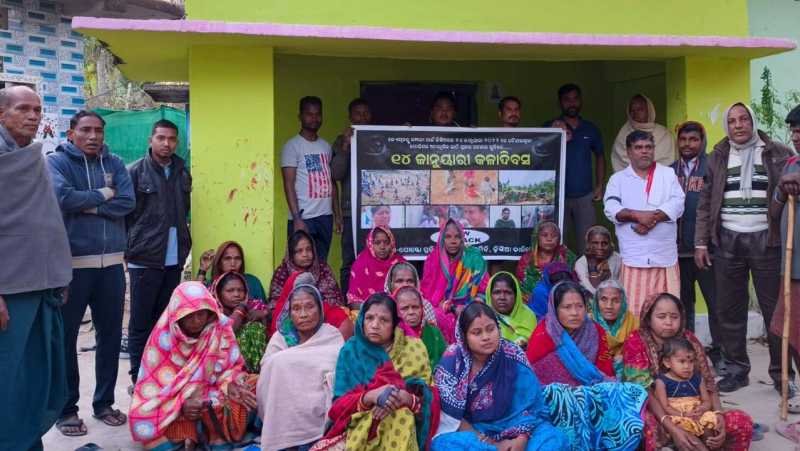
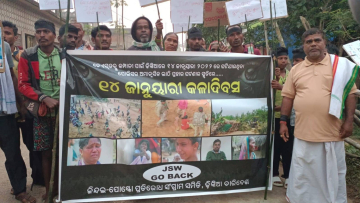
Last week, a letter from eight UN officials to Indian steel major JSW Steel was made public. The letter, sent in November 2025, detailed their concern that the construction of a new steel plant in Odisha, India is violating the rights of rural, forest-dwelling communities and Indigenous Peoples. (1) The officials asked JSW steel to provide information on its human rights due diligence process and policies within 60 days of the communication. JSW Steel failed to respond.
BankTrack has notified 22 financiers of JSW Steel of this development - including BNP Paribas, Standard Chartered, and DBS Bank - warning that their continued exposure to JSW Steel, and failure to rule out finance for the Odisha project, puts them at risk of non-compliance with international human rights standards.
The letter raises deep concern that the construction of a captive coal fired steel plant in Odisha threatens rights to food, water, health, a clean sustainable environment, and cultural rights. These rights have been set out in numerous international human rights standards that JSW Steel, its financiers, and the government of India have signed up to. (2) Reports have been raised that the company may have also violated the right to Free Prior and Informed Consent (FPIC) when developing the project.
The letter to JSW Steel states, “Therefore, it is with regret that we note that your company may be failing to implement adequate human rights due diligence measures to guarantee that its actions do not lead to human rights abuses, as set out by the United Nations Guiding Principles on Business and Human Rights.”
In March 2025, BankTrack and local partners called on the same 22 banks financing JSW Steel to rule out finance for the JUSL project. (3) Only half of the banks offered a response, and none ruled out finance for the plant. In May 2025, BankTrack and the Anti-Jindal Movement filed grievances with four banks – Mizuho, MUFG, SMBC, and ANZ – warning that banks may be in violation of the UNGPs by financing JSW Steel. The case against the three Japanese banks remains open, whereas the ANZ case was closed after an internal investigation by the bank found there was no breach of internal policy.
Julia Hovenier, Banks and steel campaign lead at BankTrack says: “JSW Steel’s failure to respond to EIGHT UN officials should say it all. Banks must rule out finance for JUSL now, before it’s too late.”
Notes
-
The communication regards the JSW Utkal Steel Ltd (JUSL) project, and was sent by the rapporteurs on: the right to food; humans rights & transnational corporations;cultural rights; the right to a clean, healthy and sustainable environment; the right to freedom of opinion and expression, the right to freedom of peaceful assembly and of association; human rights defenders; and rights of peasants and other people working in rural areas.
-
These international human rights standards include: UN Guiding Principles on Business and Human Rights, the International Covenant on Economic, Social and Cultural Rights, and the United Nations Declaration on the Rights of Peasants.
-
The letter was addressed to these 22 banks: ANZ, Axis Bank, Barclays, BMO Financial Group, BNP Paribas, Citi, CTBC Bank, DBS, Deutsche Bank, First Abu Dhabi Bank, Groupe BPCE, HSBC, ING, JPMorgan Chase, Mashreq Bank, Mizuho Bank, MUFG Mitsubishi UFJ Financial Group, Société Générale, Standard Chartered, State Bank of India, Sumitomo Mitsui Banking Corporation (SMBC), and UBS. You can read an example letter here. All of the banks contacted have commitments to uphold the UN Guiding Principles on Business and Human Rights.