Dodgy Bond Alert: Standard Chartered, Natixis and Citi support TotalEnergies to raise $3.5 billion
Ryan Brightwell, BankTrack: ryan@banktrack.org
Ryan Brightwell, BankTrack: ryan@banktrack.org
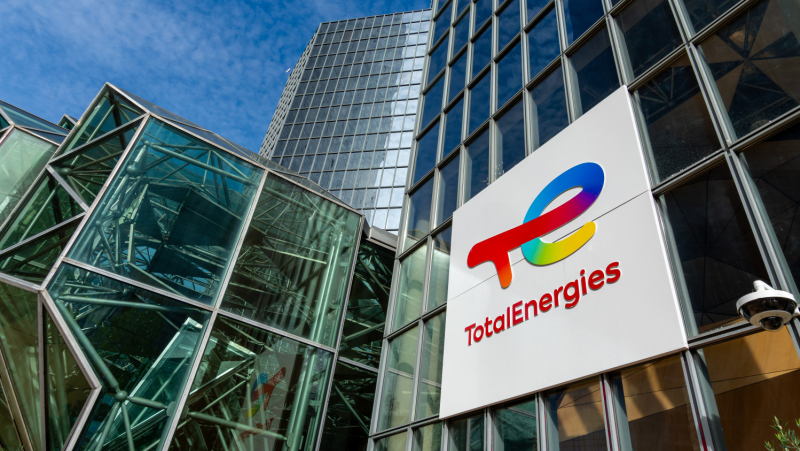
Earlier this month, TotalEnergies issued three bonds totalling $3.5 billion, with the help of international banks.[1] The funds are for general corporate purposes, and so could be used to help finance several highly controversial fossil fuel expansion projects TotalEnergies is pursuing around the world.
These projects include the Tilenga oilfield in Uganda, the East African Crude Oil Pipeline (EACOP) from Uganda to Tanzania, the Mozambique LNG project, and the Papua LNG project in Papua New Guinea. Each of these projects serve to expand the fossil fuel industry and entrench fossil-dependent development in a time of climate crisis and ever-lower renewable energy costs. Several face strong community opposition, and are linked to the destruction of nature and to human rights violations. A criminal complaint was filed against TotalEnergies in November alleging complicity in war crimes, torture and enforced disappearance connected with the Mozambique LNG project.
The banks leading these bond issuances were BofA Securities (Bank of America), Citigroup, Morgan Stanley, Mitsubishi UFJ Financial Group, Natixis, SMBC Nikko Capital and Standard Chartered. Most of these banks, including Citi, Natixis and Standard Chartered, have made public statements or told media sources that they will not finance the EACOP. Their involvement in this deal may contribute to the EACOP project despite these commitments.[2]
Samuel Okulony, Director of the Environment Governance Institute (EGI) Uganda, said, “It is deeply regrettable that these banks have chosen to support TotalEnergies, and risk contributing to human rights violations against the people of Uganda and Tanzania. When finance is used to enable land dispossession, environmental destruction, and human suffering, financiers cannot wash their hands of responsibility they are accountable for the harm and loss endured by affected communities. The $3.5 billion bond represents money channelled to the wrong company and the wrong future.”
Peter Bosip, Executive Director of the Centre for Environmental Law and Community Rights Inc. (CELCOR), Papua New Guinea, said, “The financing of TotalEnergies through these bonds shows a blatant disregard for their responsibility and accountability towards rights of indigenous communities, nature and the climate. Papua New Guinea constantly faces the full brunt of climate change that impacts the environment and livelihood of the people. Papua New Guinea people deserve genuine development that respects indigenous rights, nature and the climate. Financial institutions should not be financing companies involved in new or expanding fossil fuel projects in the pacific region, rather should be investing in renewable energy.”
Anabela Lemos, Director of Justica Ambiental (JA!) in Mozambique, said, “The issuance of these bonds demonstrates a total disregard for the climate crisis and for the safety of populations affected by floods. It is clear proof that money matters more than the human lives lost every rainy season in our country, constituting a serious violation of fundamental human rights, including the rights to life, housing, safety, and dignity.
“Financing fossil fuel exploration is fueling the destruction of safe areas for people to live and deepening patterns of environmental injustice and human rights violations. This comes on top of the severe humanitarian crisis Mozambique is already facing due to conflicts in the north of the country, now further compounded by the humanitarian crisis caused by the current floods.”
BankTrack, as a partner of the Defund TotalEnergies campaign, are calling on all banks involved in underwriting these bond issuances to improve their climate commitments. They must follow peers like BNP Paribas and Crédit Agricole and commit to no longer support bond issuances for companies that continue to develop new oil and gas projects.
End notes
[2] For example, Natixis has stated that it will “not participate in the financing of EACOP”; the Financial Times reported that Citigroup has ruled out financing the project; SMBC distanced itself from its previous role as financial advisor to the EACOP; and Standard Chartered stated it “is not involved in the financing of EACOP”. See the list maintained by the StopEACOP coalition here.