Uganda: Drop charges against the KCB11
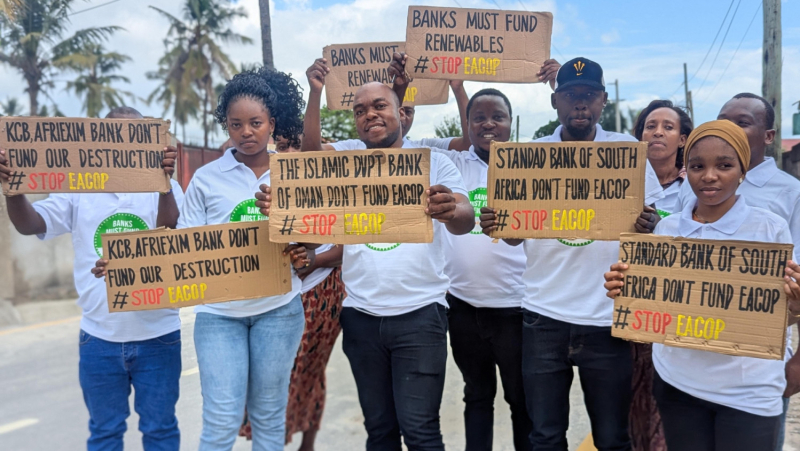
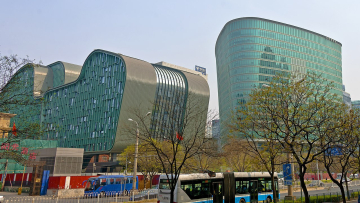
Ugandan authorities should immediately drop criminal trespass charges against 11 environmental defenders known as the KCB11, who were arrested on April 23, 2025, after a Kenya Commercial Bank (KCB) official led them into the basement of KCB Uganda’s Kampala headquarters under the pretext of arranging a meeting, Climate Rights International said today. The defenders had gone to the bank to peacefully deliver a letter calling on it to end its financial support for the East African Crude Oil Pipeline (EACOP), but police and security personnel, not bank officials, were waiting in the basement.
The case has dragged on for more than 17 months with repeated delays, without a single prosecution witness testifying. At a hearing on September 8, the court adjourned the case until September 29 and gave the prosecution what it said would be a final opportunity to present its witnesses. The court indicated that it could dismiss the case if the prosecution again failed to proceed. Prosecutors should instead withdraw the charges immediately.
“The fact that 11 people were arrested and held for 85 days in a horrible prison for delivering a letter is a travesty,” said Brad Adams, Executive Director at Climate Rights International. “The government has compounded this by holding a ridiculous prosecution over their heads for the past 17 months. This is punishment by process, and the charges should be dropped immediately.”
The KCB11 were charged with criminal trespass on April 25 and remanded to Luzira prison, which has a history of torture and horrible detention conditions. Climate Rights International first called for their immediate release and for the charges to be dismissed on June 30, 2025. They were finally granted bail on July 17, after 85 days in prison, and released the following day. Since then, they have been required to return to court repeatedly while the charges have remained pending.
KCB Group had been identified as one of five financial institutions providing an initial tranche of financing for EACOP. On September 14, Climate Rights International wrote to KCB Group seeking information about the role of KCB personnel in the arrests, and whether it had called on Ugandan authorities to withdraw the charges. No response was received at the time of publication.
EACOP is a 1,443-kilometer heated pipeline intended to carry oil from the Tilenga and Kingfisher oilfields in western Uganda to the port of Tanga on Tanzania’s coast. More than 100,000 people in Uganda and Tanzania will permanently lose land for the pipeline and Tilenga development.
Affected families have reported inadequate compensation, food insecurity, lost income, and difficulty paying school fees. The wider project is estimated to generate 379 million tonnes of carbon dioxide-equivalent emissions over 25 years. In August 2026, EACOP Ltd.’s deputy managing director said construction of the pipeline was 91 percent complete, bringing it close to operation despite continuing human rights, environmental, and climate concerns.
The oilfields supplying the pipeline have themselves caused grave harms. Research at TotalEnergies-operated Tilenga found that compensation delays, inadequate payments, and the loss of productive land had left many families poorer and damaged their livelihoods. At CNOOC-operated Kingfisher, a Climate Rights International investigation documented forced evictions, violence and intimidation by the military, destruction of fishing boats, sexual and gender-based violence, and labor abuses.
The prolonged proceedings fit a broader pattern. A May 2026 review of more than 25 criminal cases against opponents of EACOP and other oil projects by the American Bar Association found systematic repression, including mass arrests, vague charges for peaceful activity, prolonged pretrial detention, and cases repeatedly adjourned before being dismissed for want of prosecution. A 2023 investigation by Human Rights Watch also documented arbitrary arrests, threats, office raids, and intimidation against environmental defenders raising concerns about Uganda’s oil developments.
Concerns about judicial independence in Uganda intensified on August 7, when Chief Justice Flavian Zeija reportedly stated that: “It would be equivalent to treason for a judicial officer to put an injunction stopping the progress of an oil project because of any dispute,” and urged judicial officers to “be an aid to oil development rather than stepping on it.” Remarks by the country’s highest-ranking judicial officer warning judges against particular outcomes raise serious concerns about undue pressure on judges and improper interference with judicial independence.
“The Chief Justice should be defending the independence of judges, not warning them against decisions that could affect favored oil projects,” Adams said. “His remarks could reasonably make environmental defenders fear that courts will treat opposition to oil development as disloyal or criminal before their cases are even heard.”
Uganda’s Constitution protects the rights to freedom of expression and peaceful assembly and guarantees every person a “fair, speedy and public hearing” within a reasonable time before an independent and impartial court. The International Covenant on Civil and Political Rights and the African Charter on Human and Peoples’ Rights provide similar protections, including the right to be tried without undue delay. Peacefully approaching a bank to deliver a letter about a project of enormous public importance is protected civic participation, not conduct that warrants criminal prosecution.
Pressure on independent civil society in Uganda has intensified. On May 17, President Yoweri Museveni signed the Protection of Sovereignty Act, which uses broad and ambiguous language to criminalize promoting foreign interests over Uganda’s interests and restrict certain foreign-supported activities. Together with repeated prosecutions and rhetoric portraying resistance to oil development as a threat to the state, the law risks further silencing independent voices.
Ugandan prosecutors should immediately withdraw the charges against all 11 defenders. Courts should review other pending protest-related cases and dismiss charges that are based solely on peaceful expression or assembly. KCB Bank Uganda should clarify its role in the arrests and publicly urge that the charges be dropped. KCB Group should commit to receiving peaceful petitions without retaliation or criminalization. TotalEnergies, CNOOC, EACOP Ltd., the Uganda National Oil Company, and the Tanzania Petroleum Development Corporation should use their leverage to oppose reprisals against peaceful critics of the projects.
“The KCB11 and other environmental defenders are doing what responsible citizens should do: raise concerns about decisions that will shape their communities and country for decades,” Adams said. “Uganda should listen to them, not imprison them or keep them trapped in an endless court case.”