Communities confront Standard Chartered, HSBC over steel finance at shareholder meetings
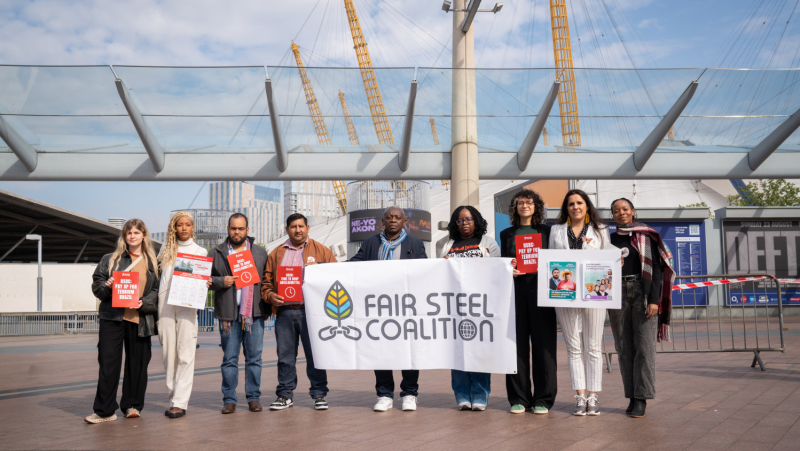
On the mornings of 7th and 8th May 2026, BankTrack and the Fair Steel Coalition gathered in front of the annual general meetings of Standard Chartered and HSBC respectively, united under the collective declaration: "We are not sacrifice zones." Following the interventions, HSBC will be holding a private meeting with the Fair Steel Coalition.
The Coalition, represented by members of frontline communities from Mexico, Brazil and Liberia, joined, for the third consecutive year, the AGMs of two banks financing steel companies ArcelorMittal and Ternium. Years of long-distance attempts to communicate with the companies and their banks have been consistently ignored. Left without alternatives, community representatives and human rights defenders made the journey to Europe once more to raise the voices of those living with the consequences of ArcelorMittal's operations and to demand that its financiers end their complicity in ongoing harm.
Those harms are well documented. ArcelorMittal is endangering the health of local communities through chronic air and water pollution; destroying local ecosystems at scale; partnering with Ternium, a mining company implicated in the violent repression of human rights activists; and turning Global South countries involved in its supply chain into sacrifice zones.
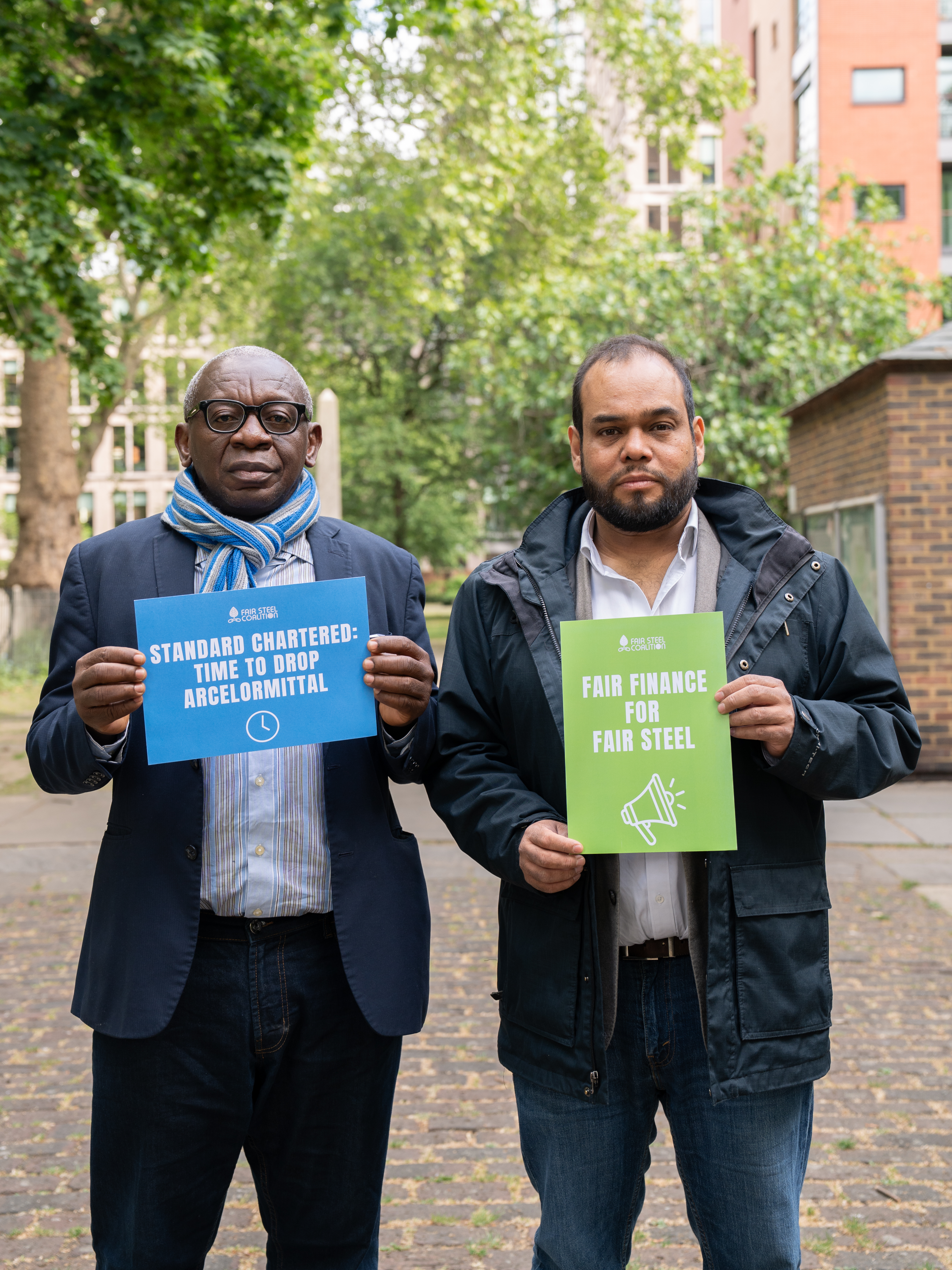
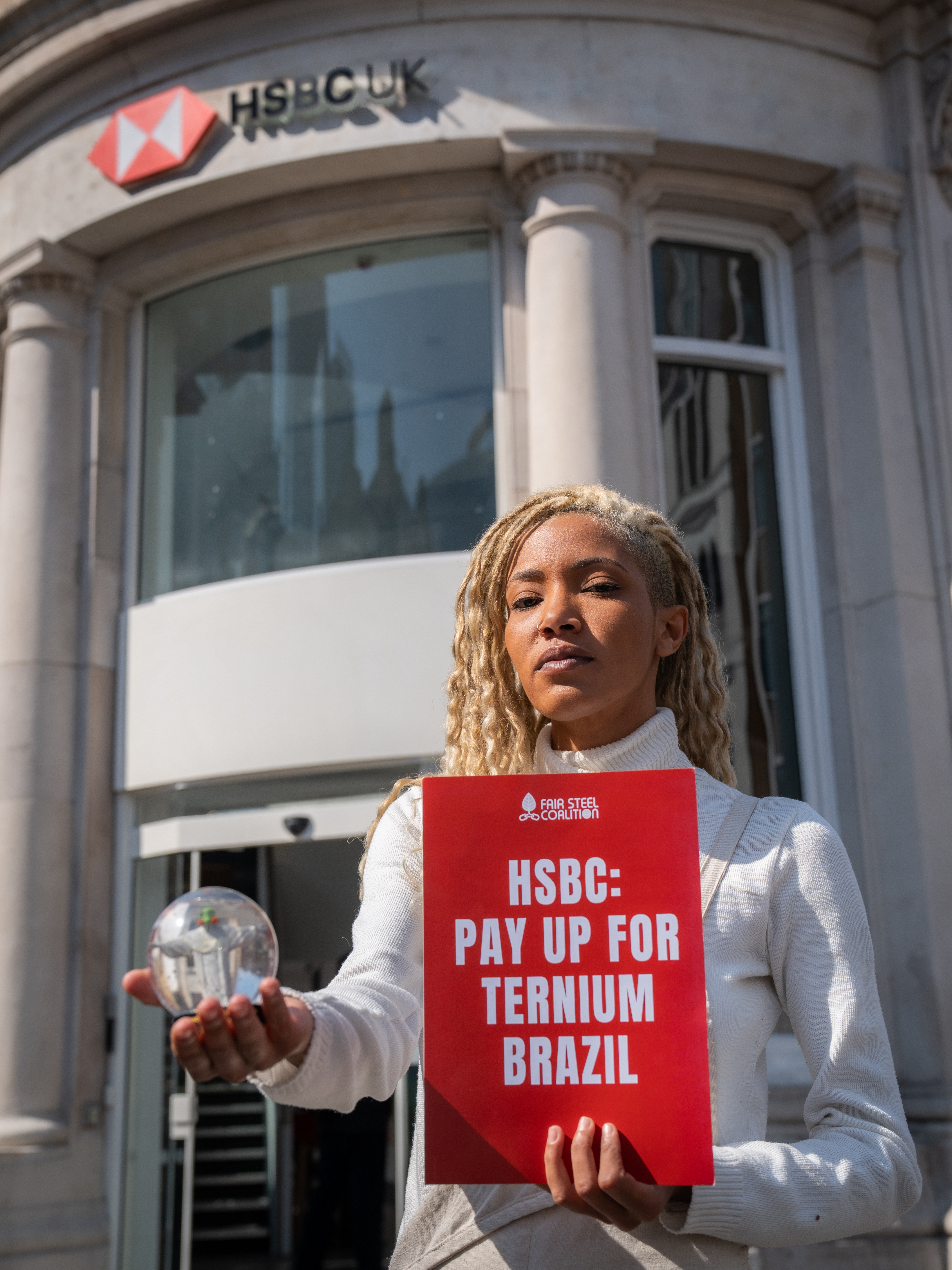
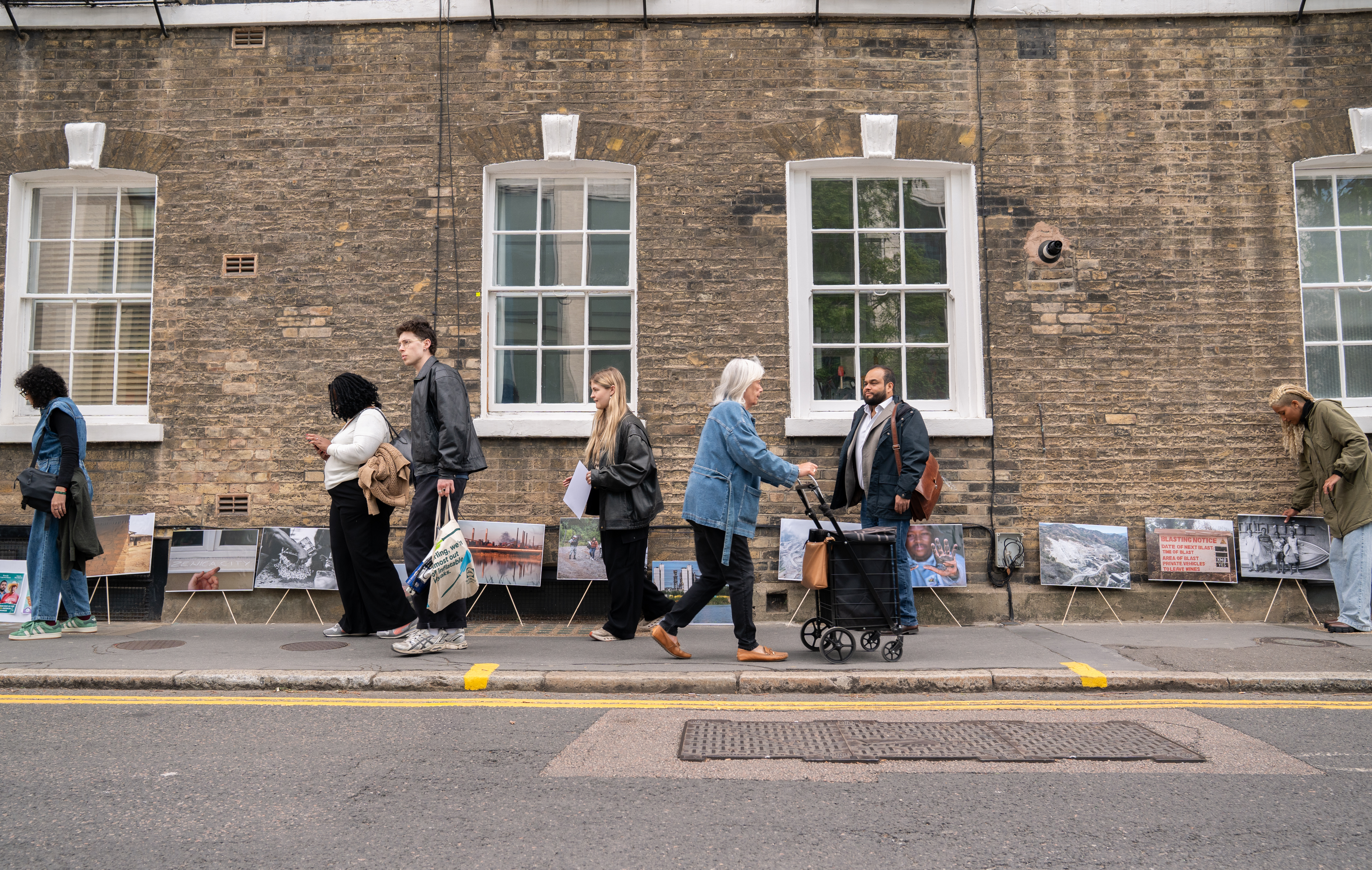
During the demonstrations, coalition representatives delivered speeches in front of both AGM venues, accompanied by photographs and first-hand accounts from affected local and indigenous communities. The images were displayed at the entrances to the meetings so that shareholders would be confronted by the tangible human reality behind their investments.
The two banks responded differently to the coalition's requests for dialogue. Standard Chartered met with the Fair Steel Coalition on the day prior to its AGM, and coalition representatives were also granted entry to the meeting itself, where they posed the questions set out below. HSBC initially denied the representatives a private meeting ahead of its AGM; but following the interventions at its AGM, agreed to one.
Eduardo Mosqueda of Tsikini Mexico asked:
“My name is Eduardo Mosqueda. I am here representing communities in Ayotitlan, Mexico, who live in fear of speaking out against the Peña Colorado iron ore mine. People are kidnapped, disappeared, and killed for opposing the environmental and social destruction this mine has brought. Your client, ArcelorMittal is a joint owner. So my question is, what is your bank’s position on your clients operating in areas where there are attacks on Human Rights Defenders?”
John Nimly Brownell, Green Advocates Liberia asked:
“My name is John Nimly Brownell. I am here on behalf of communities in Nimba, Liberia who have had their livelihoods, and their dignity taken by ArcelorMittal's iron ore mines. Their homes and crops have been destroyed. We have been trying to use the grievance mechanism for a year now by submitting over 70 complaints, but we were ignored until we threatened to come to Europe. ArcelorMittal is a client of yours. How does your bank test whether your steel and iron ore mining clients comply with international Human Rights standards, and why does your due diligence differ for project vs corporate finance?”