Project – Active
This profile is actively maintainedCooperAcción, Fair Finance International & Red Muqui
Kees Kodde, Fair Finance International, kees.kodde@oxfamnovib.nl
Project – Active
This profile is actively maintainedCooperAcción, Fair Finance International & Red Muqui
Kees Kodde, Fair Finance International, kees.kodde@oxfamnovib.nl
Why this profile?
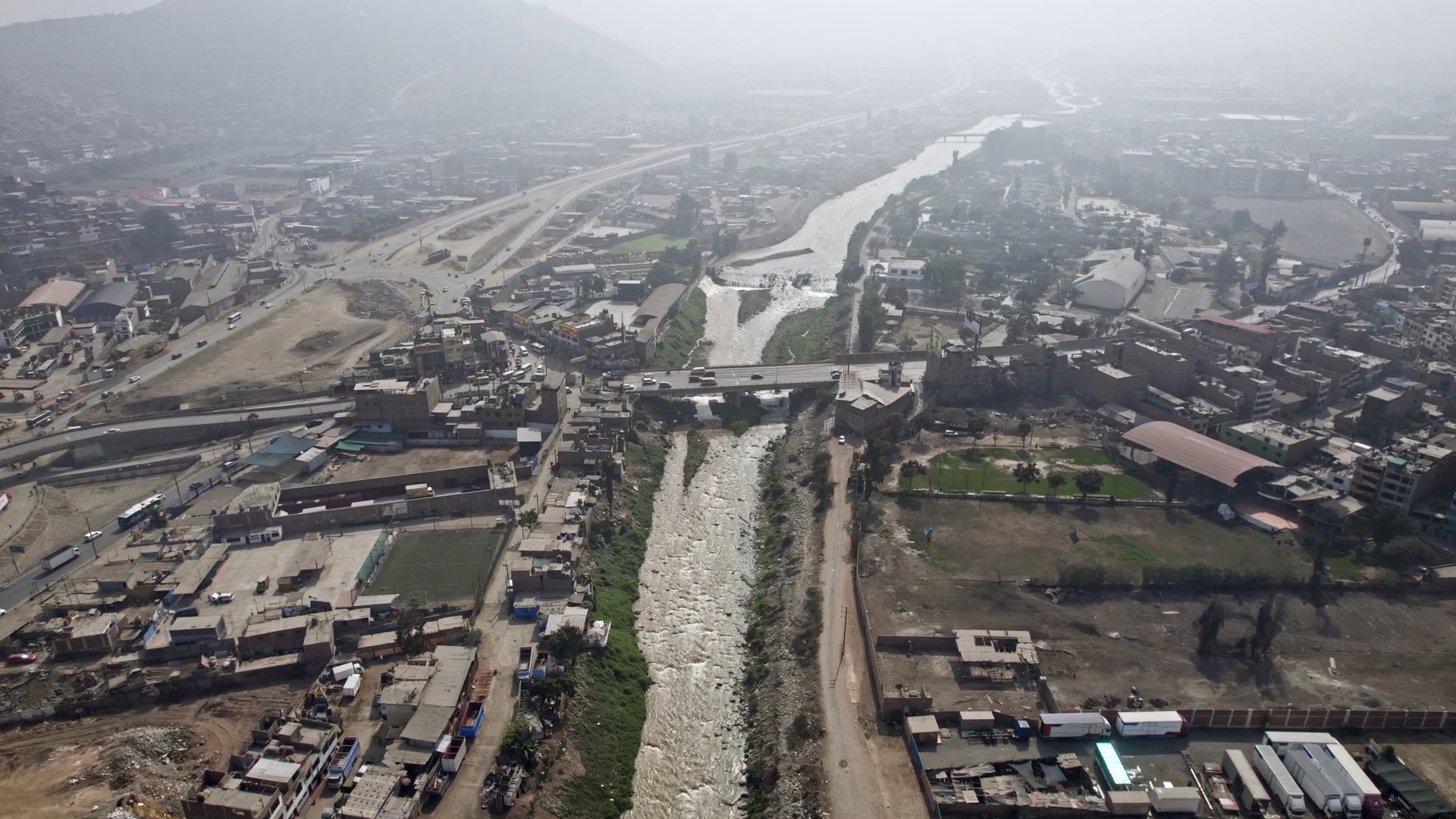
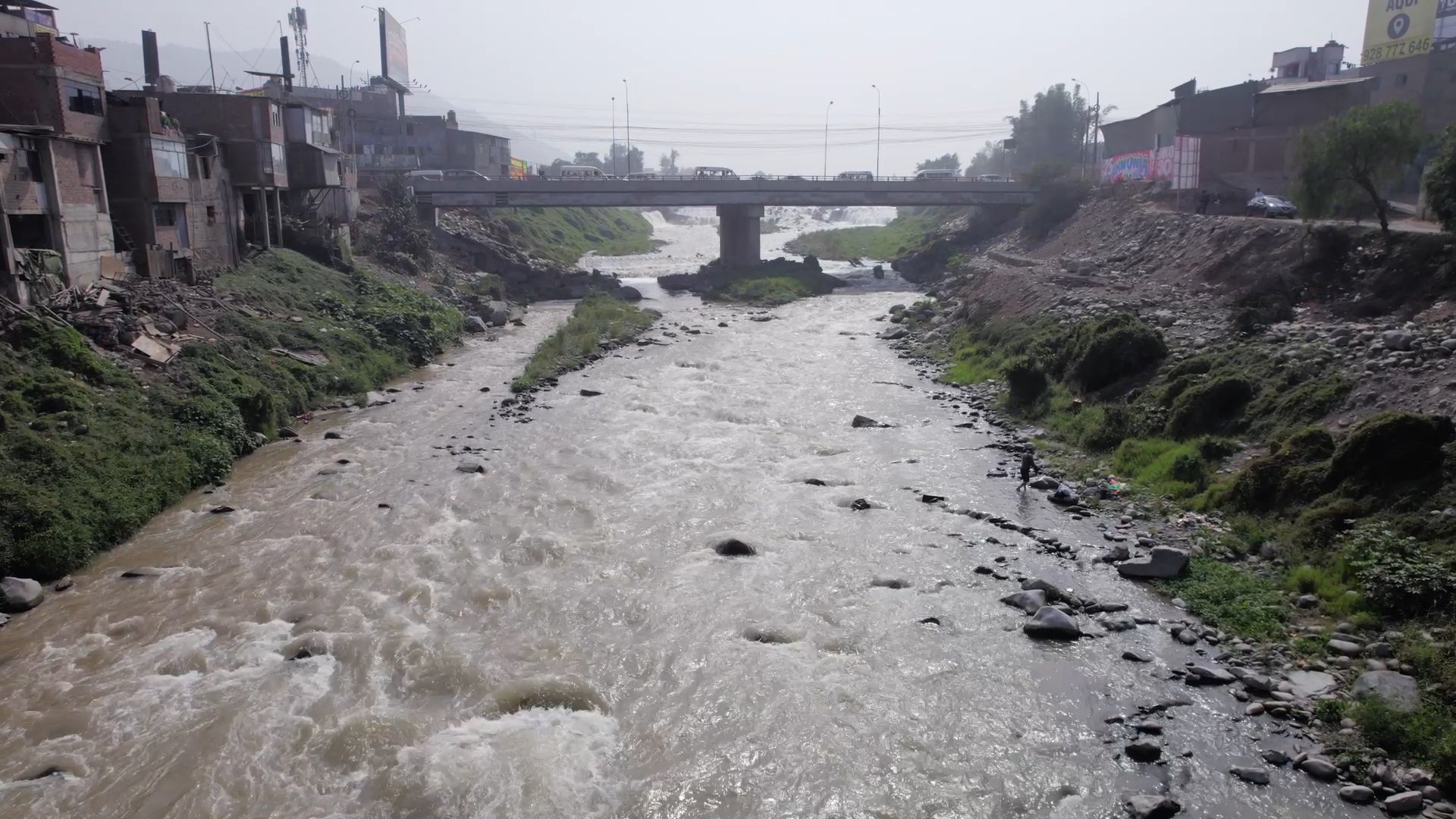
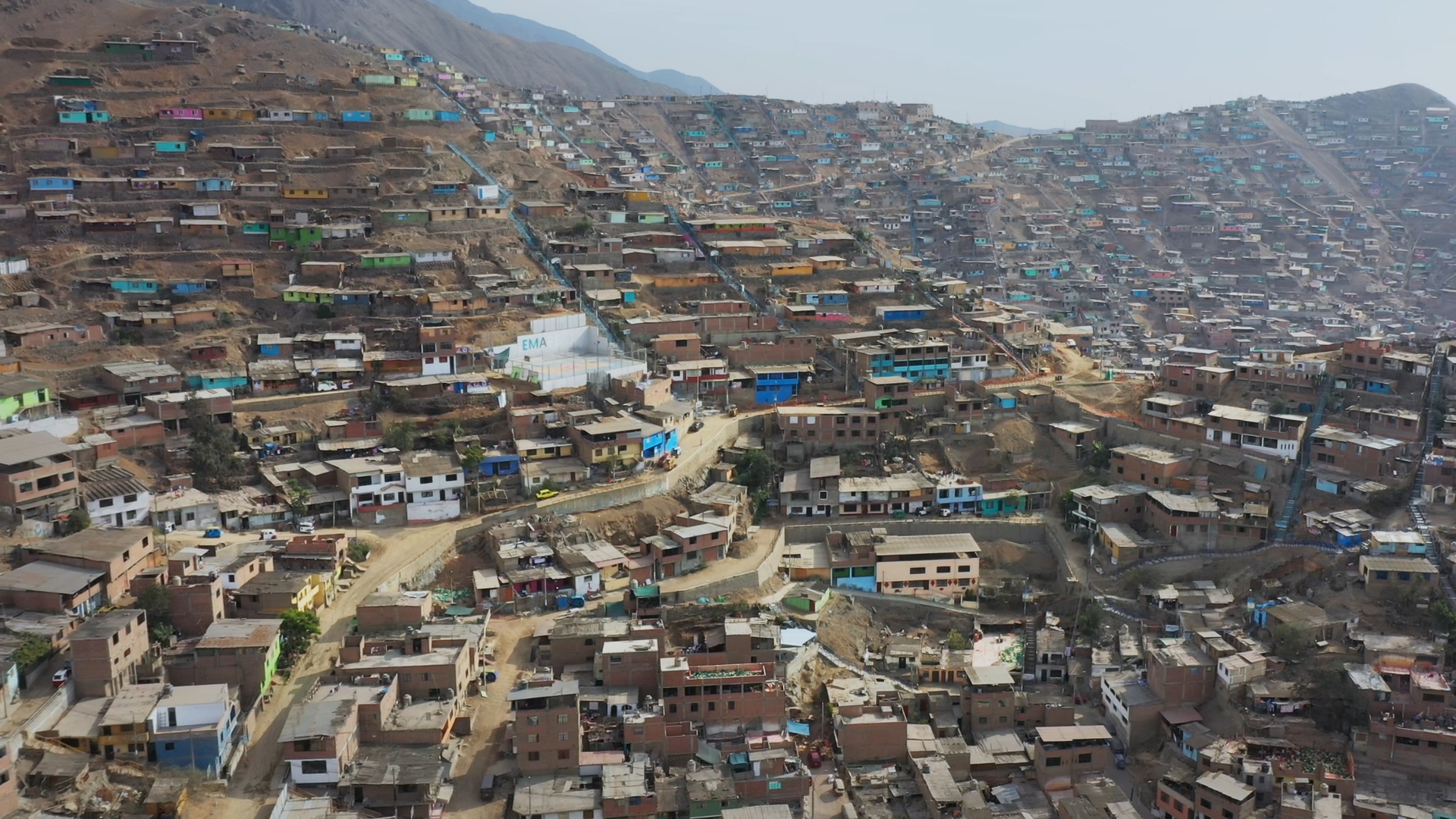
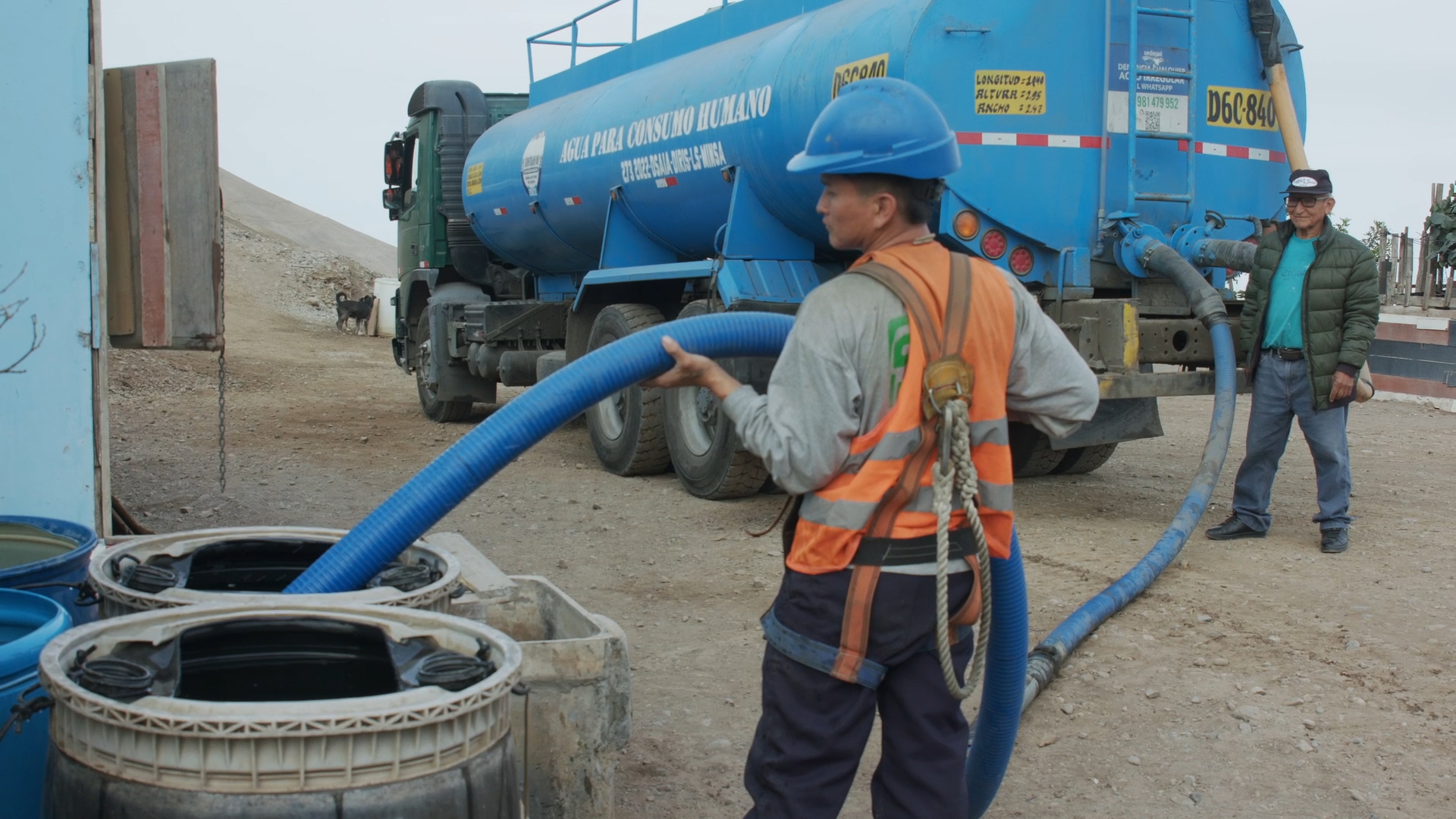
Lima has over 11 million inhabitants, and as a desert city it has many problems with water supply and is suffering from severe droughts. The area also has periodic earthquakes and seismic activity. The mining industry in Peru and elsewhere has a history of toxic leaks and problems with tailing dams.
So it would be rather reckless to build a copper mine in the middle of the highlands where the lakes and waterways that Limeños depend upon are located.
And yet, this is exactly what the mining company Alpayana is planning to do.
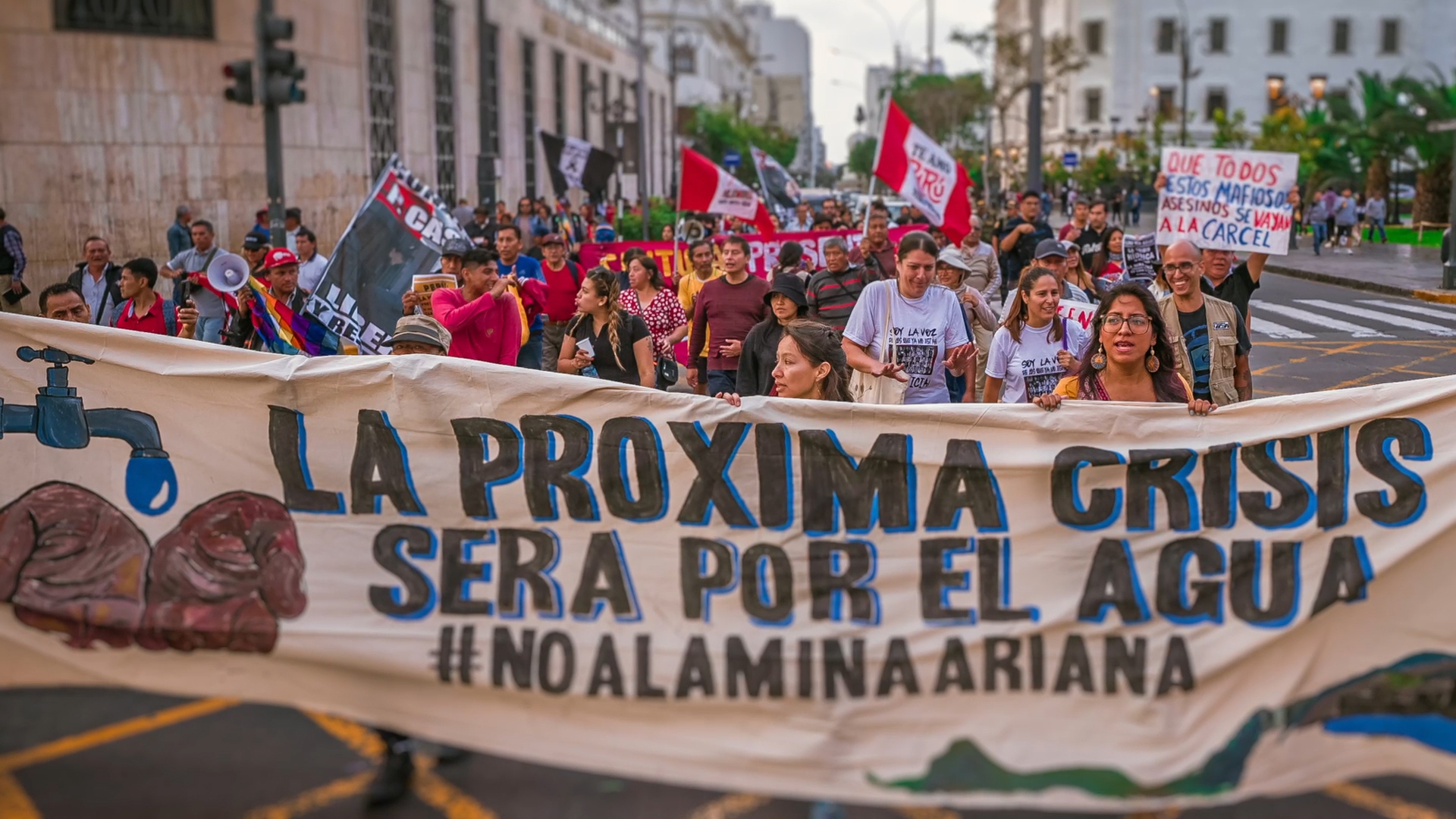
Civil society has been campaigning and litigating against this plan for many years, but now there is a clear and present danger that the project will go ahead, given that the company Alpayana bought the project last year and secured a USD 100 million loan from Banco Santander in August 2025.
What must happen
Banco Santander is the main bank supporting Alpayana. Santander must convince Alpayana to stop the Ariana mining project. The area is too vulnerable and too important for the water supply. Alpayana must cancel the Ariana mine proposal.
| Sectors | Mining |
| Location |
|
| Status |
Planning
Design
Agreement
Construction
Operation
Closure
Decommission
|
| Website | https://alpayana.com/en/about-us/ |
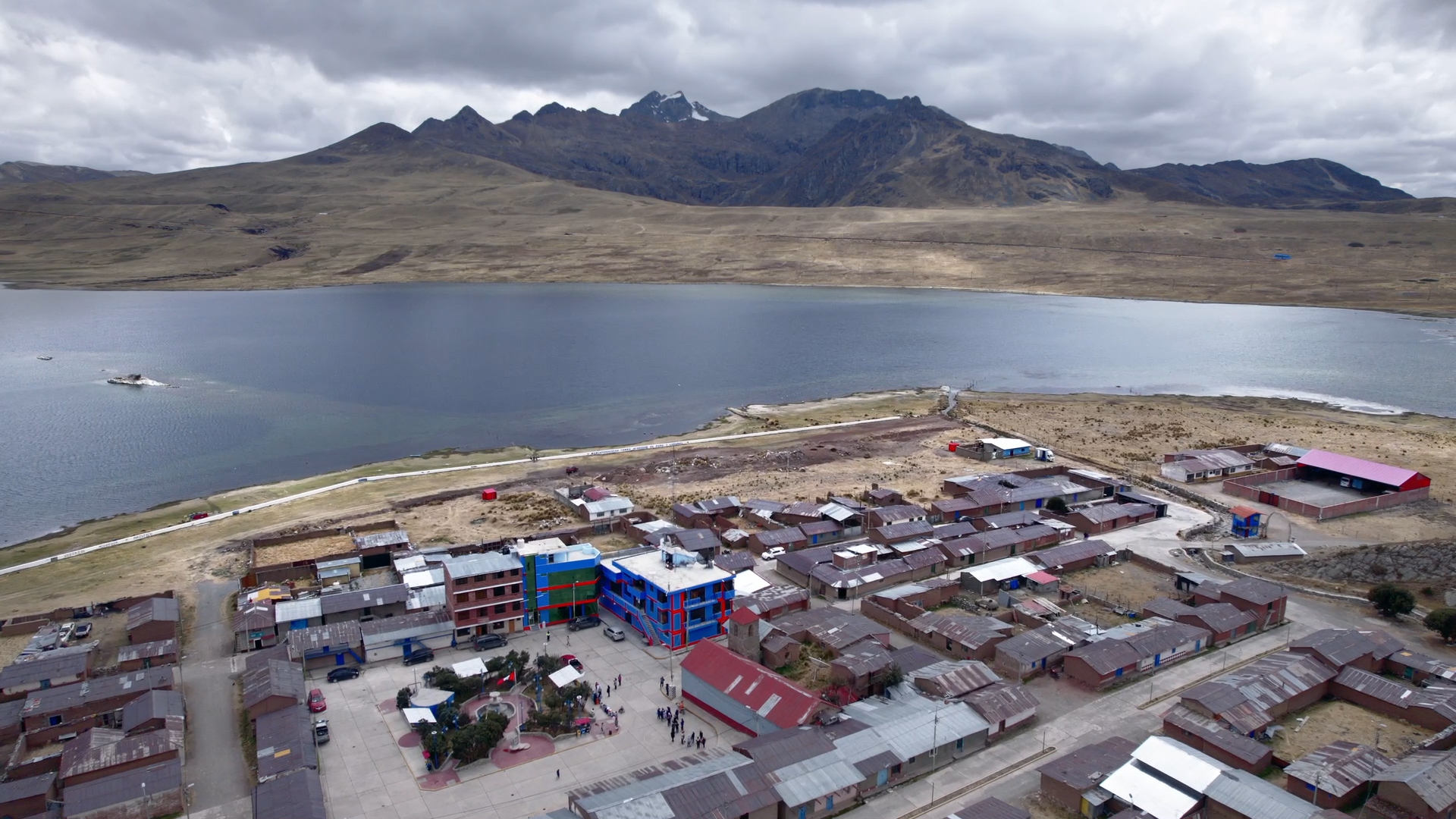
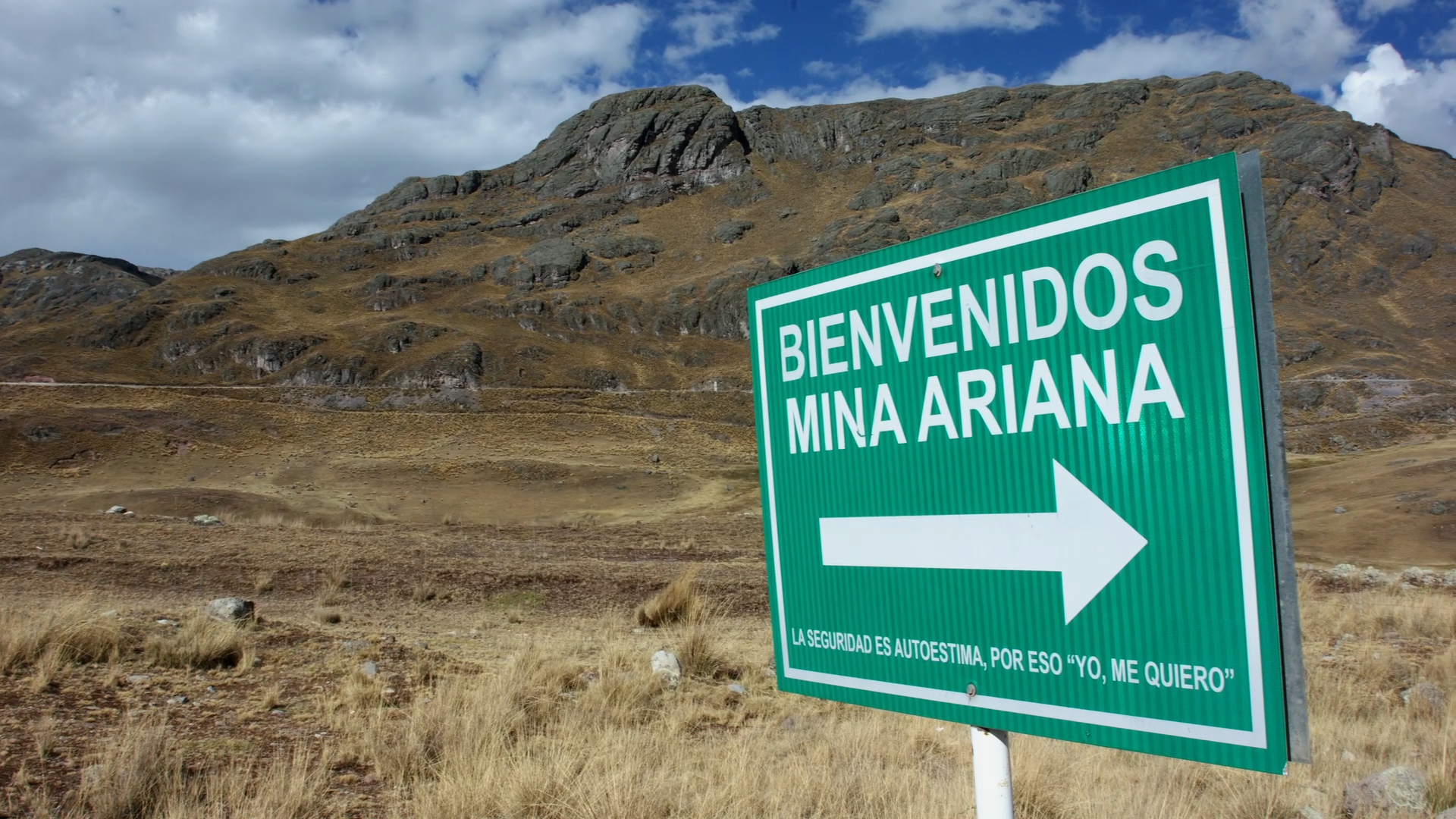
Ariana is an underground copper and zinc mining project located in the district of Marcapomacocha, Junín region, in the central highlands of Peru. It is currently owned by the Peruvian company Alpayana, which acquired it from its previous owner, Southern Peaks, in 2025.
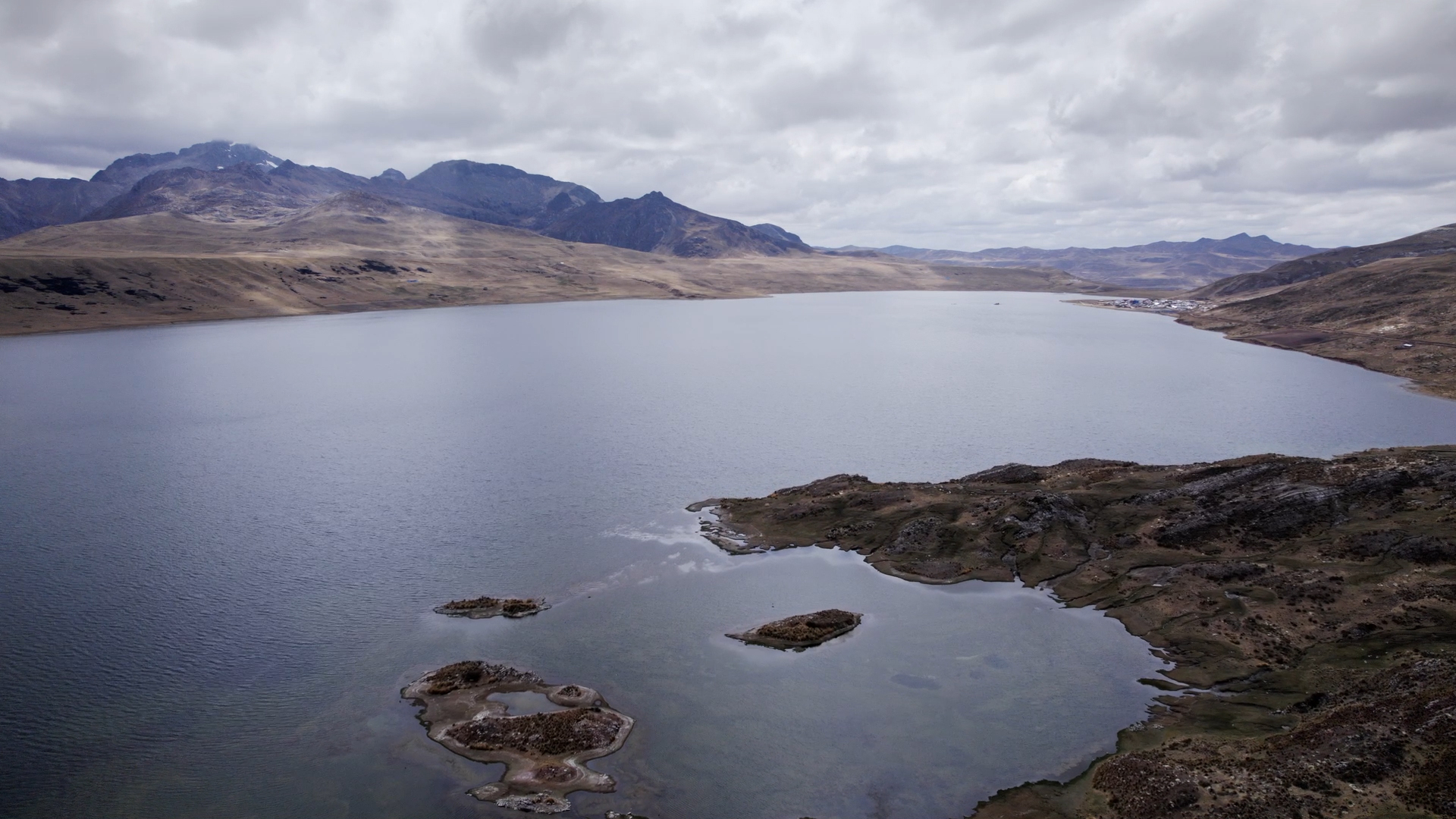
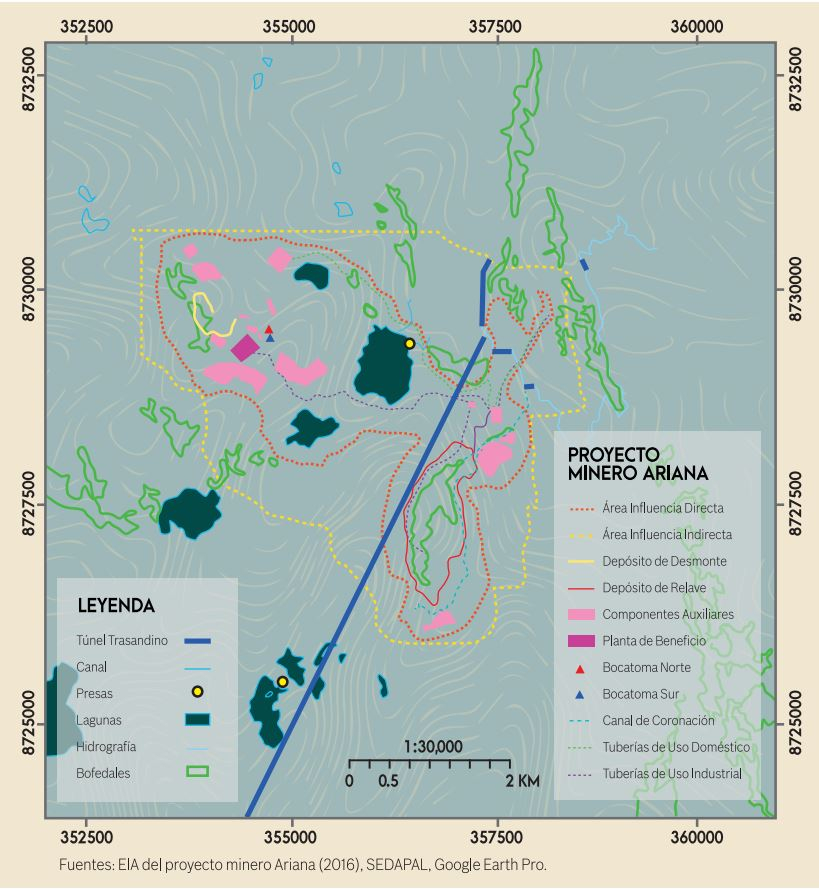
The Ariana mining project is located in the heart of the Marcapomacocha water system, a natural and artificial infrastructure system that is the main source of water for the capital of Peru and the city of Callao, which together have more than 10 million inhabitants. This system supplies around 60% of the water consumed in Lima and Callao during the dry season. It consists of a series of lagoons, canals, reservoirs and high-altitude wetlands (peat bogs or bofedales), as well as the Cuevas-Milloc Trans-Andean Tunnel, built in the 1960s to transfer water from the eastern slopes of the Andes to the coastal area.
According to the water supplier for Lima and Callao (SEDAPAL), the project could have adverse water impacts due to: (1) a reduction in the amount of water collected, due to the interruption of groundwater flows in a porous area; (2) a possible reduction in the quality of the water collected, due to contact with heavy metals from mining operations; (3) affecting the structural integrity of the Trans-Andean Tunnel due to vibrations related to mining operations; (4) the possibility of collapse of the tailings dam, which would be located 100 linear metres from the Trans-Andean Tunnel.
The project has an Environmental Impact Assessment that was approved in 2016, and was supposed to begin operations in 2019. However, thanks to a constitutional appeal filed by a group of Lima citizens that year, the project has not yet entered the operational phase.
The ruling issued by the Constitutional Chamber of Lima in 2025, after six years of legal proceedings, establishes that the project does indeed represent a certain and imminent threat to the fundamental right to drinking water and a suitable environment. Despite this, it does not declare the Environmental Impact Study null and void (which was the plaintiffs' request) but rather calls for a Complementary Environmental Impact Study to be prepared.
In this context, Alpayana, the company that owns several mines in the area, acquired the project in 2025, a clear sign that it intends to go ahead with it despite the questions raised.
Impact on human rights and communities
The mine would be located on top of the Transandino tunnel, which supplies 60% of the water for Lima. It is a seismic area and earthquakes happen on a regular basis.
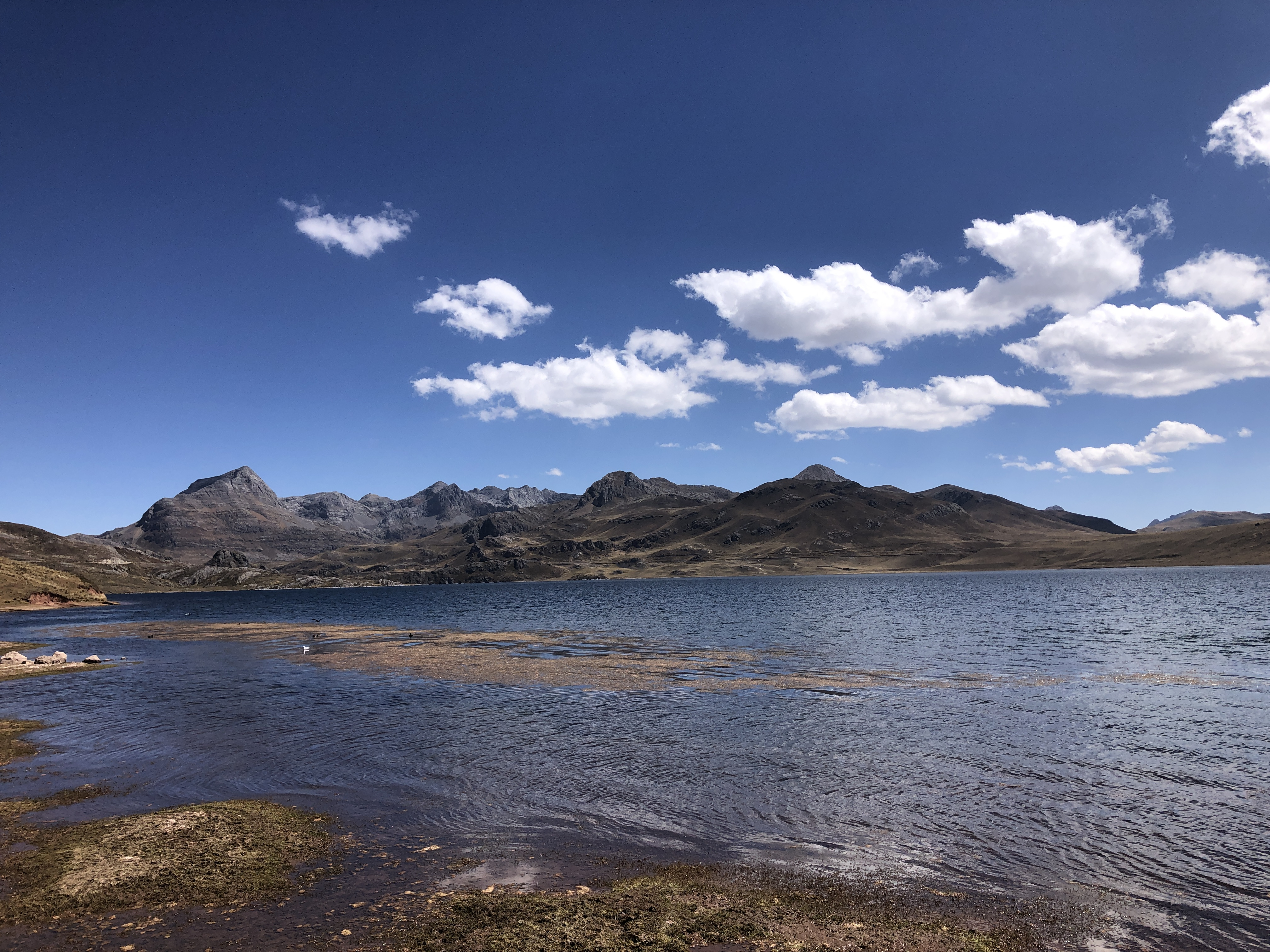
The mine would be located very close to the Marcapomacocha lakes, which supply drinking water to Lima.
If an earthquake or tailings leak or other toxic leak would happen, the water supply to Lima would be in serious danger. In Peru, already 18 ruptures in tailing dams have occurred since 1952, mostly caused by seismic activity.
Risking the water supply to Lima would infringe the following human rights: right to a clean environment, right to water, right to health.
Source: CooperAcción, ¿Lima sin agua? Informe Ariana, February 2025
Alpayana S.A.C. secured a refinancing facility of US$100 million from Banco Santander Perú S.A. and Banco Santander S.A. in August 2025. Source: Profundo, via IJGlobal, and Chambers & Partners.
Project sponsor
Alpayana
Mexico