
Asia at a crossroads - why banks must exit LNG expansion
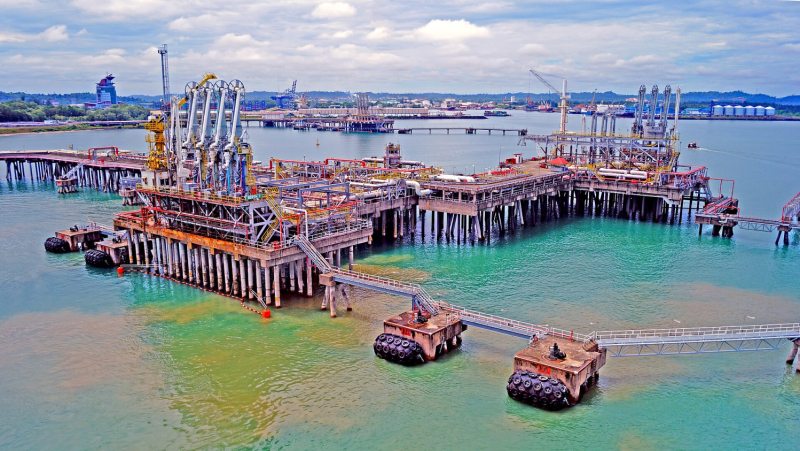
The LNG industry is pushing for the development of new LNG import infrastructure to lock in long‑term demand across Asia, with the support of domestic and international banks which are providing the financing needed for the development of new LNG import projects. LNG developers present Asia — and particularly Southeast Asia — as the cornerstone of future LNG demand, claiming that the unprecedented build‑out of new U.S. export terminals will be absorbed by rising Asian imports.
Yet the reality on the ground tells a different story. In the last few years, LNG projects across the region have faced long delays, cost overruns, and mounting feasibility issues, with several terminals and gas‑fired power plants stalled or cancelled. At the same time, gas demand has fallen in major Asian markets — including India and several Southeast Asian countries — leaving existing gas‑fired power plants underutilized.
The global LNG shortage triggered by the Middle East conflict has further exposed Asia’s vulnerability: extreme price volatility, intensified by competition with Europe for spot cargoes, has driven up energy bills across several Asian countries. The resulting surge in LNG prices has only strengthened the case for renewables, which are now consistently cheaper across the region.
These dynamics place Southeast Asia at a crossroads. Banks have a decisive role. Continued financing of companies developing new gas‑fired power plants and LNG infrastructure would either entrench LNG dependency or create stranded‑asset risks if the energy transition takes place, and undermine banks’ own climate commitments. Instead, banks can help drive the region’s transition toward renewable‑based, resilient energy systems.
Banks should therefore adopt robust exclusion policies, ending all financial support for LNG terminals, methane carrier expansion, new gas‑fired power plants, and the companies that develop them.
Read the country briefs:
- Bangladesh shifted from gas producer to LNG importer as reserves depleted, with international banks financing the buildout; the country is now exposed to spot-market volatility, shortages, and geopolitical risk. See the Bangladesh brief here.
- The Philippines’ energy is fossil-fuel-heavy and import-dependent; international banks have financed LNG infrastructure even as imports outpace use amid stalled gas plants, while vast renewable potential stays untapped. See the Philippines brief here.
- Thailand’s gas-reliant grid — its LNG import terminals built with the support of domestic and international banks — is exposed to spot-market volatility and saw price spikes from the Mideast conflict, prompting a shift toward renewables. See the Thailand brief here.
Originally published on the ExitLNG website here. BankTrack is a partner of the ExitLNG project.